
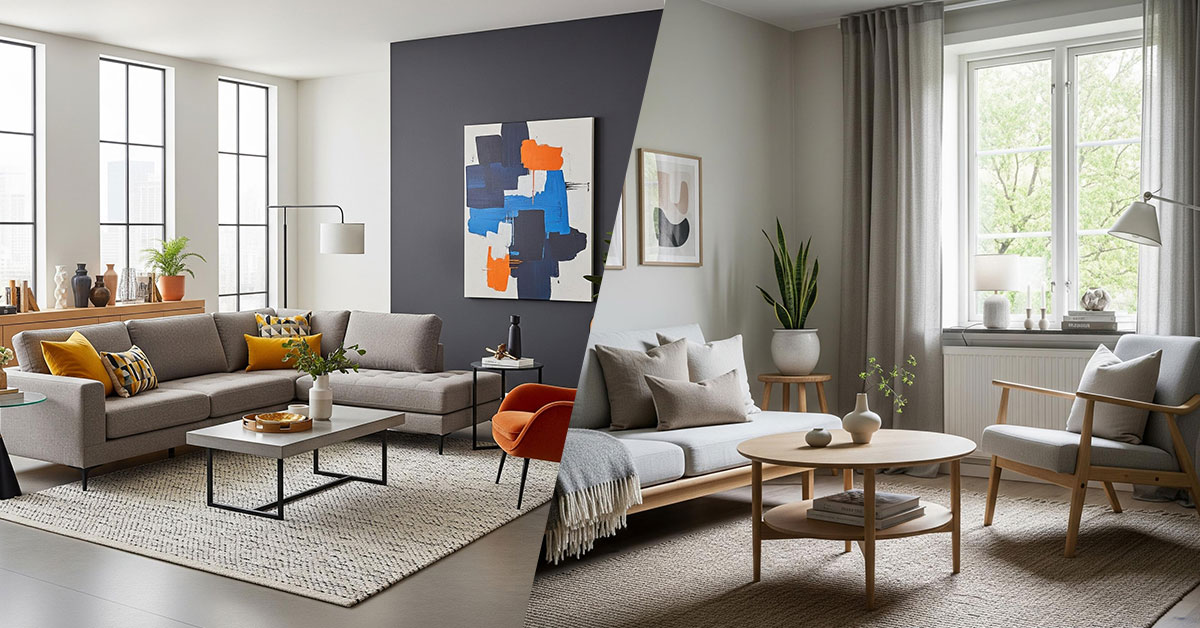
Contemporary vs. Scandinavian Furniture: Comparing Styles, Features, and Design
Choosing the right furniture style can completely transform your home, and two popular options are contemporary and Scandinavian furniture. Both offer modern, stylish vibes, but they each bring something unique to the table. If you’re curious about the differences of these furniture styles or need help deciding which fits your space, this guide will break it all down.
What’s Inside
- What is Contemporary Furniture?
- What is Scandinavian Furniture?
- Differences Between Contemporary and Scandinavian Furniture
- How to Choose Between Contemporary and Scandinavian Furniture
- Final Thoughts on Contemporary vs. Scandinavian Furniture
What is Contemporary Furniture?
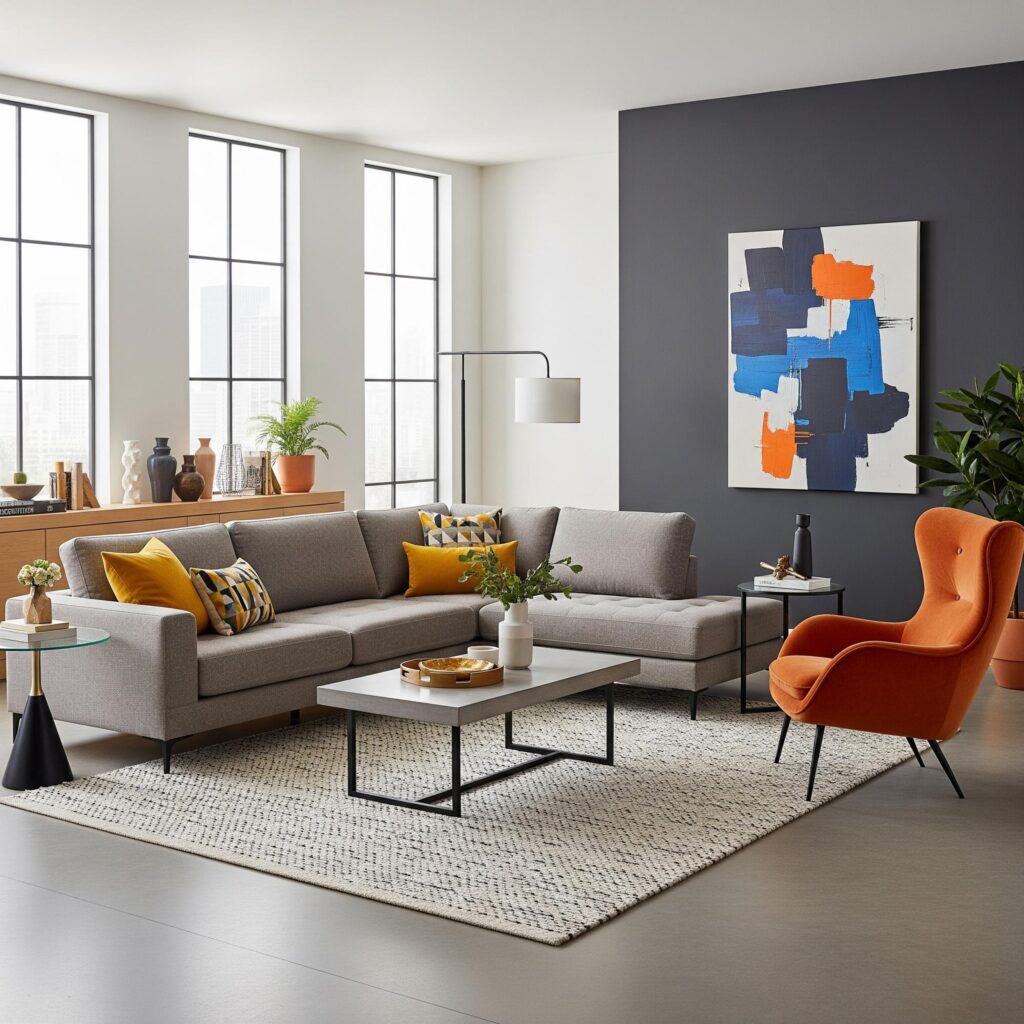
Contemporary furniture embraces what’s trending now—sleek silhouettes, bold accents, and innovative use of materials. It’s a style that adapts easily to changing tastes while keeping your space modern and polished.
Related: Everything You Need to Know About Contemporary Furniture
Key Features of Contemporary Furniture
- Modern lines and shapes: Think geometric, streamlined, and sometimes edgy designs.
- Neutral bases with bold accents: While neutrals like beige and gray are common, contemporary furniture often adds pops of bright or dark colors.
- Variety of materials: Wood, metal, glass, and even plastic are used creatively.
- Flexibility: Contemporary furniture fits a range of spaces, from apartments to large homes, adapting to changing interior design trends.
What is Scandinavian Furniture?
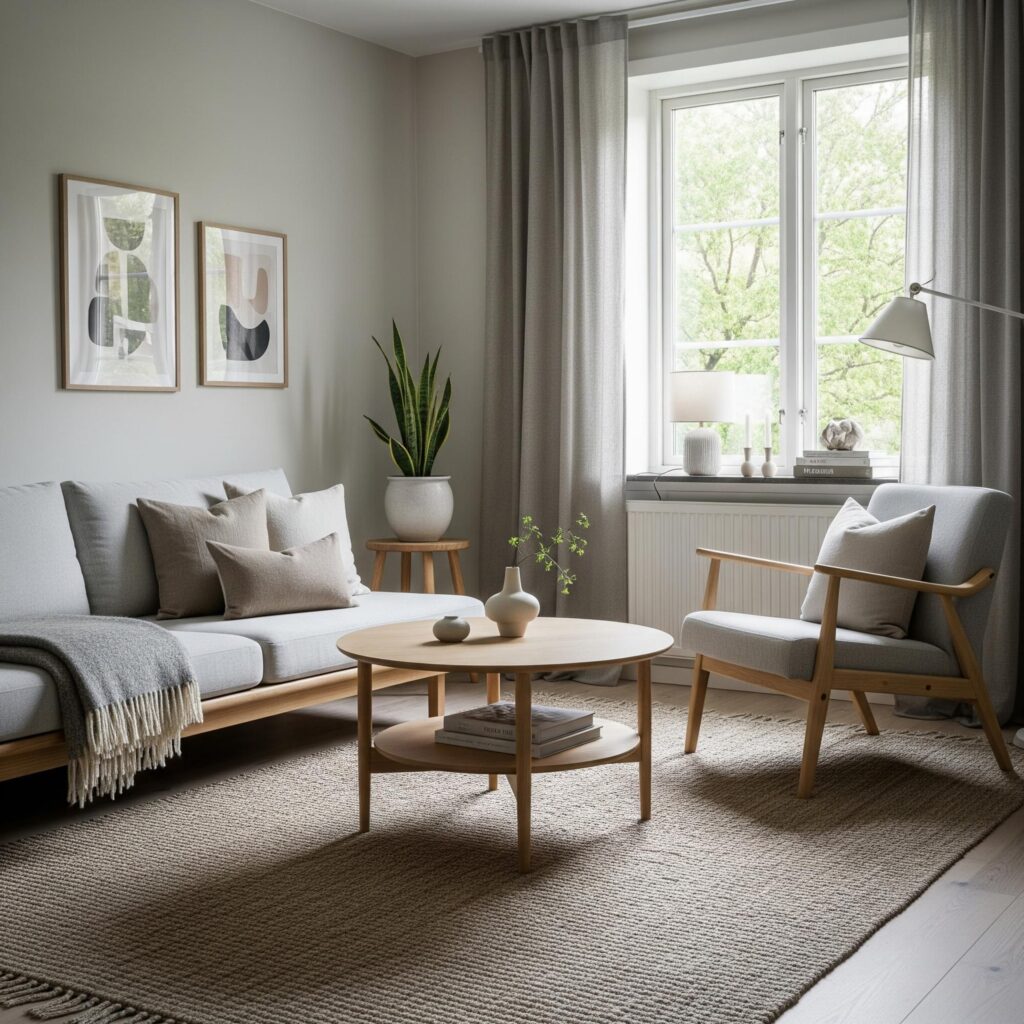
Scandinavian furniture originated in the Nordic countries and is all about simplicity, functionality, and minimalism. Think clean lines, neutral colors, and a cozy, inviting feel. The style emphasizes natural materials like wood, leather, and linen, giving it a warm yet uncluttered vibe.
Related: Scandinavian vs. Minimalist Furniture: What’s the Difference?
Key Features of Scandinavian Furniture
- Minimalistic design: Less is more. Each piece has a purpose and nothing feels excessive.
- Neutral colors: Whites, grays, and soft pastels dominate the palette, creating calm, airy spaces. Scandinavian interiors also embrace Danish pastels that add a subtle pop of color without breaking the minimalist vibe.
- Natural materials: Light woods like pine, beech, or oak are common, often paired with fabrics like cotton or wool.
- Functional simplicity: Scandinavian furniture is designed to be both beautiful and practical, with smart storage solutions and versatile pieces.
Differences Between Contemporary and Scandinavian Furniture
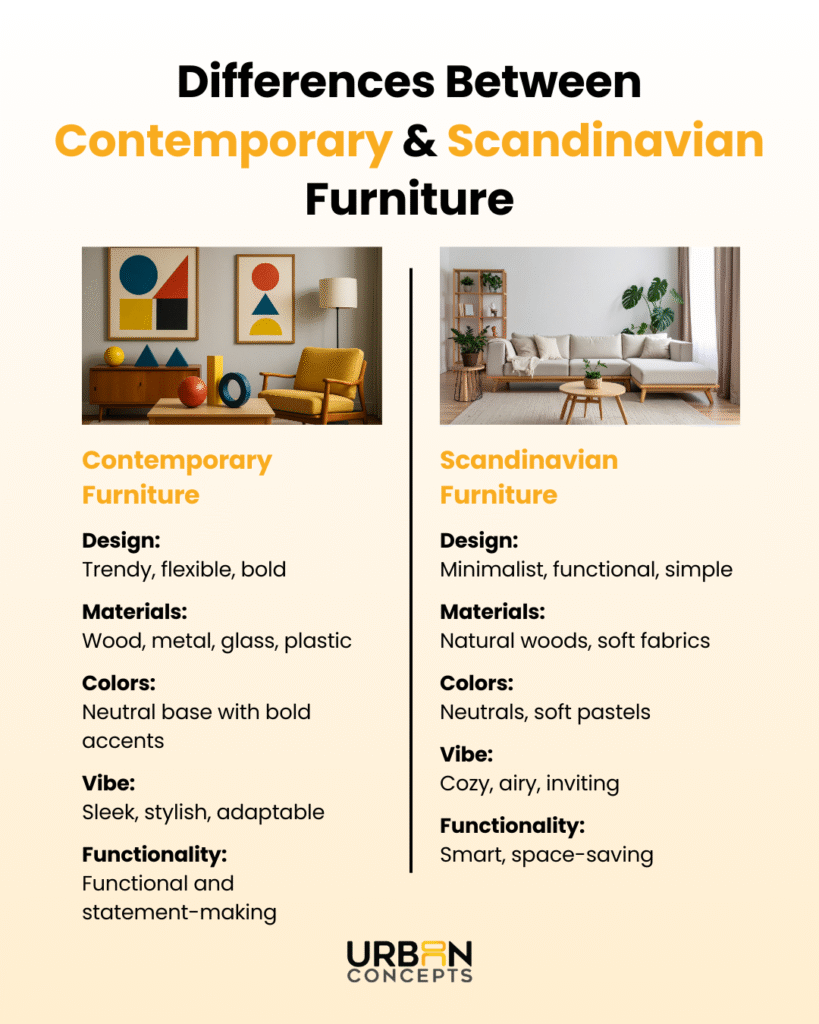
Understanding the differences between contemporary and Scandinavian furniture is key to deciding which style suits your home. Here’s a quick breakdown of their main features:
Contemporary Furniture
- Design Approach: Trendy, flexible, and sometimes bold with geometric or sleek lines.
- Materials: A mix of wood, metal, glass, and plastic for variety.
- Colors: Neutral base colors with bold accent tones to make a statement.
- Decor Vibe: Sleek, stylish, and adaptable to modern interiors.
- Functionality: Flexible; pieces can serve as both functional furniture and statement items.
Scandinavian Furniture
- Design Approach: Minimalist and functional, focusing on simplicity.
- Materials: Primarily natural woods and soft fabrics.
- Colors: Neutral tones and soft pastels for a calm, airy feel.
- Decor Vibe: Cozy, warm, and inviting while maintaining a clean look.
- Functionality: Smart, practical, and often space-saving.
How to Choose Between Contemporary and Scandinavian Furniture
Now that you know the key features, you might be wondering how to choose between these two furniture designs. Here are some practical tips to help you decide:
1. Consider Your Space
- Contemporary furniture can make a big impact in larger spaces or when you want a bold, statement-making look.
- Scandinavian furniture works beautifully in smaller rooms because its minimalist design keeps spaces feeling open and airy.
2. Think About Your Lifestyle
- If you love modern trends, flexibility, and versatile designs, contemporary furniture might be a better fit.
- If you value functionality, comfort, and a cozy vibe, Scandinavian pieces are ideal.
3. Pay Attention to Colors
- Contemporary furniture allows you to mix neutrals with bold accents, metallics, or darker tones for a striking effect.
- Scandinavian furniture thrives in neutral shades and soft pastels, creating calm, soothing interiors.
4. Match Furniture to Rooms
- In modern apartments or home offices, contemporary furniture for home adds a stylish, adaptable touch.
- For shared spaces, Scandinavian furniture for the living room creates a welcoming, relaxing atmosphere.
5. Consider a Hybrid Approach: Mixing Styles
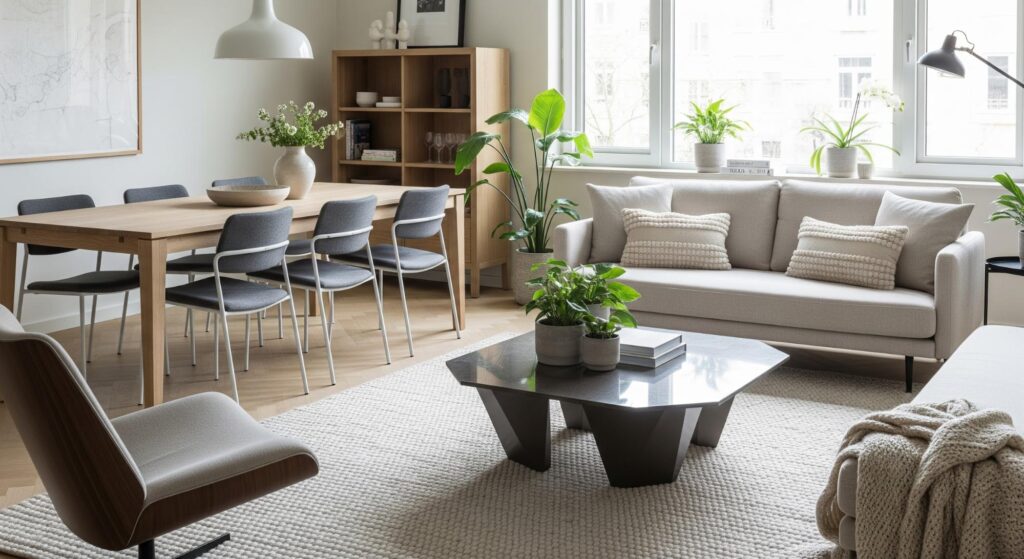
You don’t always have to pick just one style. Combining contemporary and Scandinavian furniture can create a unique, balanced look. Here’s how to do it:
- Pair a light-wood Scandinavian dining table with sleek, contemporary chairs for a modern yet cozy vibe.
- Add a minimalist Scandinavian sofa alongside a bold, geometric contemporary coffee table.
- Use Scandinavian decor accents, like neutral rugs or soft textiles, to tone down stronger contemporary pieces.
This hybrid approach lets you enjoy the warmth and simplicity of Scandinavian furniture while incorporating the trendy, versatile elements of contemporary pieces, giving your space personality without feeling cluttered.
Final Thoughts on Contemporary vs. Scandinavian Furniture
Deciding between Scandinavian and contemporary furniture doesn’t need to feel complicated. Scandinavian pieces bring a sense of simplicity, coziness, and everyday practicality, while contemporary designs lean toward trend-driven, versatile, and stylish aesthetics. When you weigh the strengths of both styles against your space, lifestyle, and design preferences, you’ll be able to choose furniture that feels perfectly at home in your living space.
Looking to refresh your space? Upgrade your interiors with home furniture in Metro Manila.
Like our Facebook page and follow us on our Instagram to keep in touch with us regularly.