
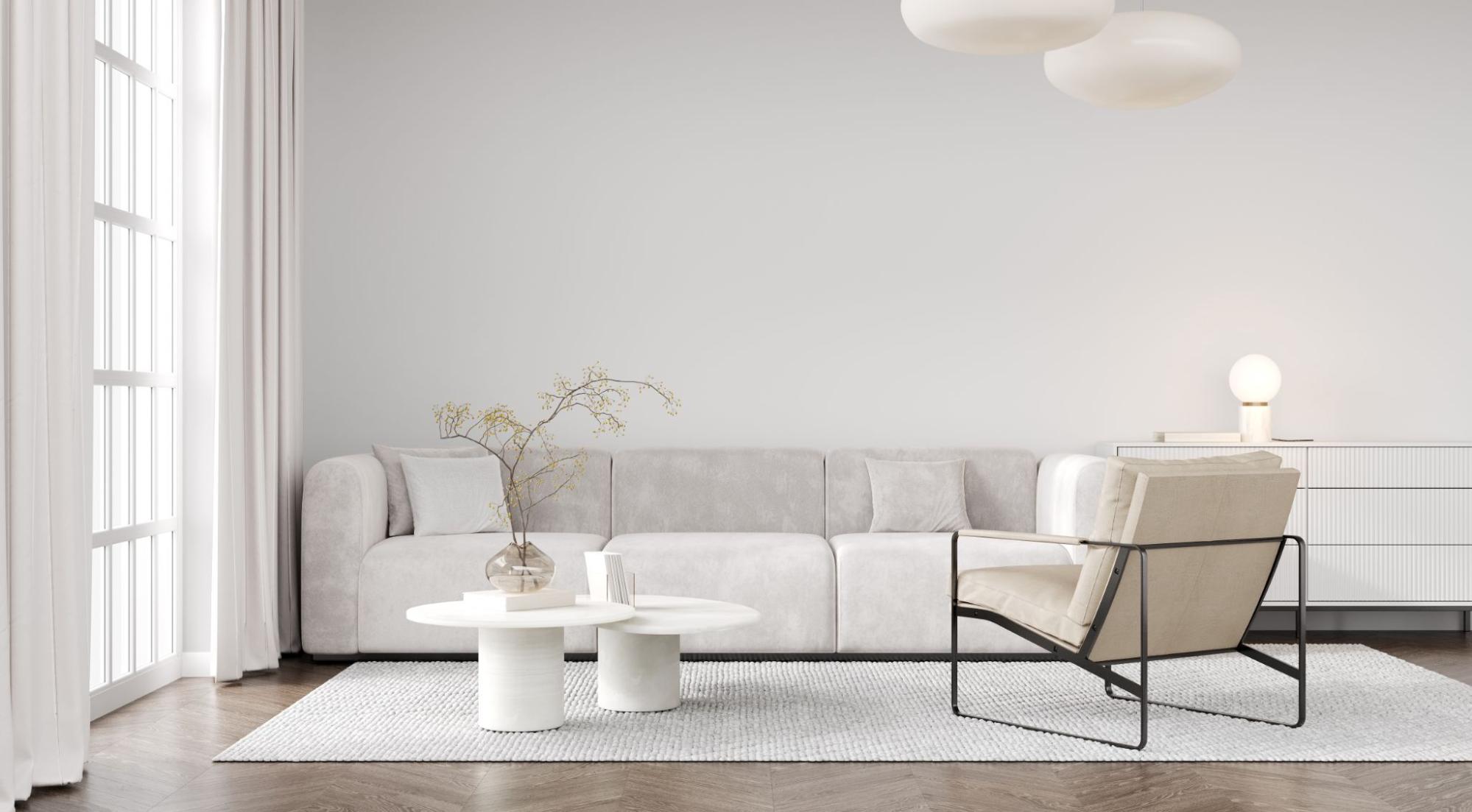
What Is Modern Furniture? Key Features and Design Elements Explained
Modern furniture isn’t just about clean lines and neutral colors—it’s a whole vibe. From sleek sofas to minimalist tables, these pieces have a way of making any room feel effortlessly stylish. But what exactly makes furniture “modern,” and how does it stand apart from contemporary designs?
Let’s dive into the world of modern furniture and see why it continues to set the standard in homes and offices alike.
What’s Inside
- What Is Modern Furniture?
- Modern Furniture Characteristics Explained
- Modern Furniture vs. Contemporary Furniture
- Modern Furniture Styles: Key Types and Their Defining Features
- Types of Materials Used in Modern Furniture Design
- Why Modern Furniture Works in Any Space
- Tips for Choosing Modern Furniture
- Frequently Asked Questions (FAQs) About Modern Furniture
- Key Takeaways About Modern Furniture Design and Styles
What Is Modern Furniture?
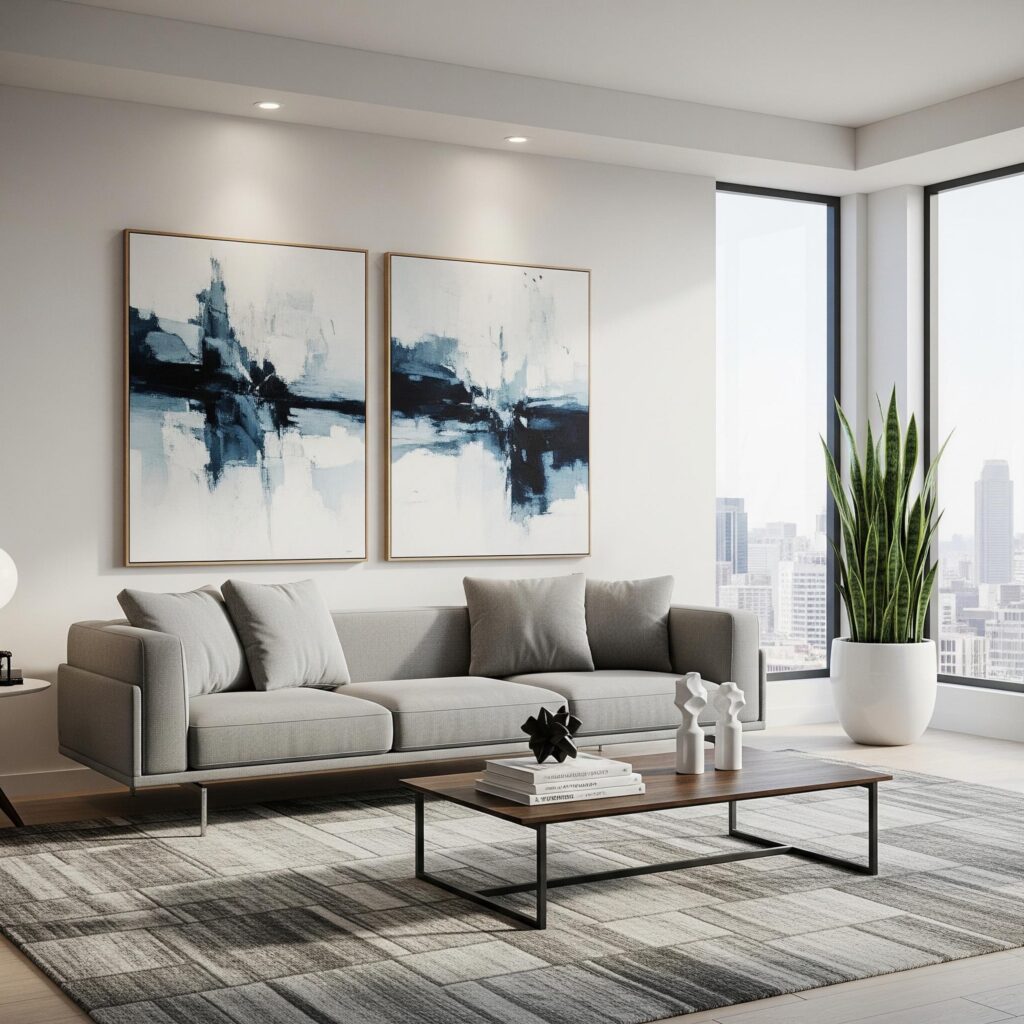
At its core, modern furniture design is all about simplicity, functionality, and timeless aesthetics. Unlike ornate or heavily decorative pieces, modern furniture prioritizes form following function, combining comfort with clean, practical lines.
Originating from the late 19th and early 20th century, modern furniture challenged traditional design by embracing minimalism, geometric shapes, and innovative materials. Today, it remains a top choice for homeowners, interior designers, and offices aiming for a sleek and versatile look.
Modern Furniture Characteristics Explained
Understanding the key characteristics of modern furniture helps you identify pieces that truly fit the style. Here’s what to look for:
1. Clean, Straight Lines
Modern furniture avoids unnecessary curves or ornate details. Instead, it emphasizes sharp edges and geometric forms, creating a polished and uncluttered appearance.
2. Minimalist Aesthetic
“Less is more” is the mantra of modern design. Pieces are streamlined, focusing on function while maintaining a visually pleasing silhouette.
3. Neutral and Natural Colors
Modern furniture often sticks to neutral palettes like white, black, gray, and earthy tones. These shades create a calming environment and allow accent colors to pop naturally.
4. Open and Airy Feel
Raised legs and open spaces beneath furniture make rooms feel larger and more breathable—a hallmark of modern furniture design.
5. Innovative Materials
Materials such as wood, metal, glass, leather, and engineered composites are commonly used. Each is selected for durability, aesthetics, and ease of maintenance.
Modern Furniture vs. Contemporary Furniture
A common point of confusion is the difference between modern furniture vs contemporary furniture.
- Modern furniture refers to a specific historical movement, rooted in the late 19th to early 20th century. It’s known for timeless design principles and consistent aesthetics.
- Contemporary furniture, on the other hand, reflects current trends. It evolves over time, making it more adaptable but less historically defined.
Think of modern furniture as a classic wardrobe staple and contemporary furniture as the trend-driven piece you swap out each season.
Modern Furniture Styles: Key Types and Their Defining Features
Within modern furniture, there are several distinct styles to explore:
1. Mid-Century Modern
Known for its clean lines, tapered legs, and organic shapes, mid-century modern furniture is a timeless favorite. Warm woods like teak and walnut give it a cozy yet sophisticated look, making it ideal for living rooms, dining areas, or even stylish home offices.
Related: Mid-Century Modern vs. Modern Furniture: Which One Should You Choose
2. Scandinavian
If you love airy and inviting spaces, Scandinavian furniture is all about simplicity and comfort. Think light woods, neutral tones, and soft textiles that create a calming atmosphere. This style is perfect for small apartments since it blends functionality with coziness.
3. Industrial
With exposed metal frames, reclaimed wood, and raw textures, industrial furniture brings a bold, urban edge to interiors. Popular in lofts and open-plan spaces, this style combines rugged materials with sleek silhouettes for a balanced, modern look.
4. Minimalist
Minimalist furniture strips design down to the essentials. With a focus on functionality, clean lines, and clutter-free layouts, this style creates serene and spacious environments. Perfect for those who believe less is more, it allows every piece to stand out without overwhelming the room.
Types of Materials Used in Modern Furniture Design
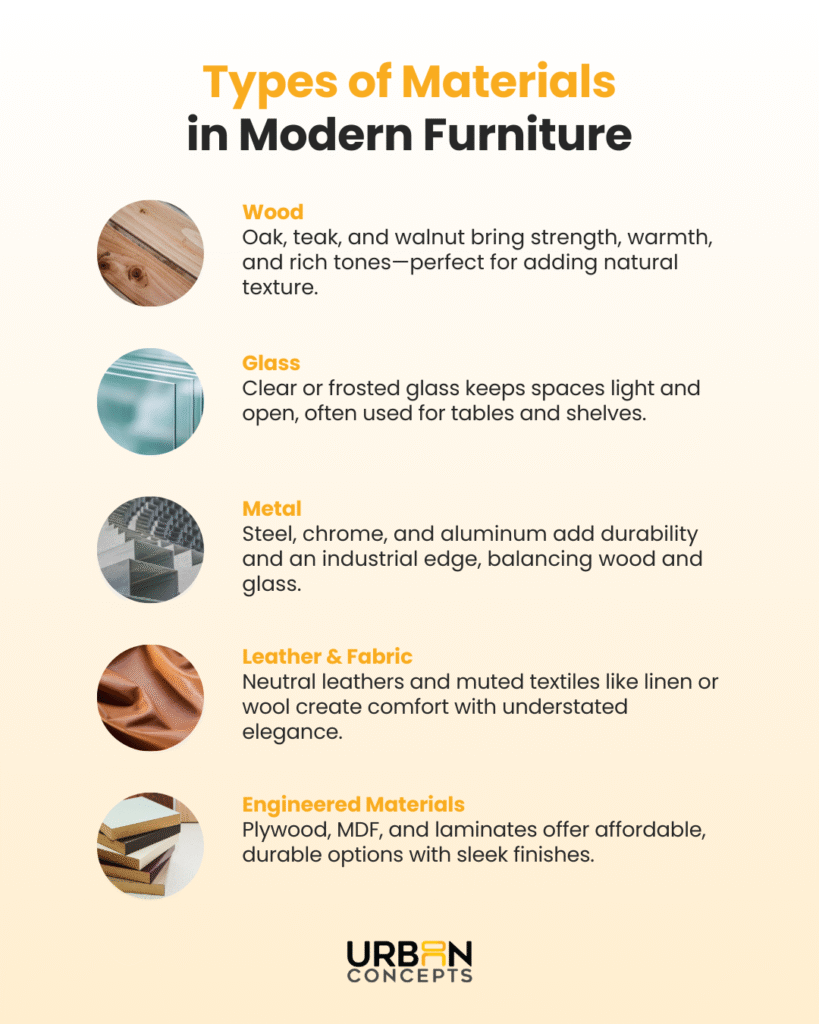
Materials are crucial in achieving the sleek look and lasting quality of modern furniture. Popular choices include:
● Wood
Oak, teak, and walnut are some of the most popular woods in modern furniture. Oak offers strength and versatility, teak brings in a warm, mid-century vibe, and walnut is prized for its rich, dark tones. Wood adds natural texture and balance to otherwise sleek, minimal spaces.
● Glass
Clear or frosted glass is commonly used in coffee tables, shelves, and dining tables. It helps create an airy, open feel while maintaining a clean, uncluttered look. Glass pairs well with both wood and metal, making it a go-to material in modern design.
● Metal
Steel, chrome, and aluminum are staples in modern furniture frames, legs, and accents. These types of metals add durability and a polished finish that works beautifully in minimalist, industrial, and contemporary interiors. Their reflective surfaces also complement glass and lighter woods.
● Leather and Fabric
Upholstery plays a huge role in comfort and style. Neutral leathers and muted fabrics like linen, wool, and cotton are often used in sofas, chairs, and headboards. They keep the design understated yet elegant, while still leaving room for colorful accents through cushions or throws.
● Engineered Materials
Affordable and practical, engineered options like plywood, MDF, and laminates are widely used in modern furniture design. These materials are not only durable but also allow for sleek finishes and creative shapes that might be difficult with solid wood alone.
These modern furniture materials combine practicality with style, ensuring pieces are both functional and visually appealing.
Why Modern Furniture Works in Any Space
Modern furniture remains popular for several reasons:
- Timeless Appeal – Its clean, classic design never truly goes out of style.
- Functional Design – Every piece serves a purpose without unnecessary ornamentation.
- Versatile Style – Easily mixes with other design trends, from rustic to contemporary.
- Space-Friendly – Sleek and streamlined designs are perfect for smaller rooms or apartments.
Tips for Choosing Modern Furniture
If you’re ready to bring modern pieces into your home, a little planning can go a long way. Here are some practical tips to help you make the most of your space:
1. Start with Neutral Essentials
Begin with the foundation pieces: your sofa, bed, dining table, or desk. Choosing neutral colors like white, gray, or beige creates a versatile base that’s easy to update over time. Once the essentials are in place, you can add personality through accent colors with cushions, rugs, throws, or artwork. This approach ensures your space stays cohesive while still reflecting your unique style.
2. Mix Materials to Add Depth and Interest
Modern furniture doesn’t have to feel flat or sterile. Combine different materials—wood, metal, glass, or fabric—to create layers of texture and visual appeal. For example, a glass-top coffee table with a wooden frame or a metal-legged dining chair with a fabric seat can make a room feel dynamic and thoughtfully designed. Mixing materials also allows you to balance warm and cool tones, keeping the space inviting.
3. Keep Scale and Proportions in Mind
Size matters, especially in smaller rooms. Oversized sofas, bulky tables, or massive cabinets can overwhelm the space and disrupt the clean, airy look of modern design. Measure your room carefully and choose pieces that fit the scale of your space. Modular furniture or pieces with raised legs can also help maintain an open, uncluttered feel.
4. Don’t Hesitate to Blend Styles
While modern furniture has a distinct look, it pairs surprisingly well with other design styles. Mixing modern pieces with contemporary, industrial, or even rustic accents can add warmth and personality. For example, a sleek modern sofa looks stunning next to a reclaimed wood side table, or a minimalist modern chair can complement a cozy vintage rug. Blending styles allows your space to feel curated rather than cookie-cutter.
Frequently Asked Questions (FAQs) About Modern Furniture
1. How do you identify modern furniture?
You can spot a modern piece by its clean lines, geometric shapes, minimalist design, and functional focus. Pieces that look sleek without ornate details are typically modern.
2. What materials are used in modern furniture?
Modern furniture materials include wood (oak, teak, walnut), glass, metal, leather, and engineered materials like MDF or plywood, chosen for both style and durability.
3. What is the difference between modern and contemporary furniture?
Modern furniture refers to a specific historical movement with timeless design principles, while contemporary furniture reflects current trends and evolves over time.
4. Is modern furniture good for small spaces?
Absolutely. The streamlined designs of modern furniture, with raised legs and minimal bulk, make it perfect for apartments or compact rooms.
5. Is modern furniture expensive?
Not necessarily. While designer pieces can be pricey, there are plenty of affordable modern furniture options that maintain quality and style.
Key Takeaways About Modern Furniture Design and Styles
Furniture today isn’t just about looks—it’s a lifestyle choice that blends form, function, and timeless elegance. From mid-century and Scandinavian to minimalist and industrial, there’s a design style suited for every home and office. By understanding the key characteristics outlined above and exploring different styles and materials, you can create spaces that feel stylish, practical, and effortlessly inviting.
Bring style and function home—shop modern furniture in the Philippines today!
Like our Facebook page and follow us on our Instagram to keep in touch with us regularly.